Buying Guides
Oxidised Silver Jewellery: What It Is & How to Style It
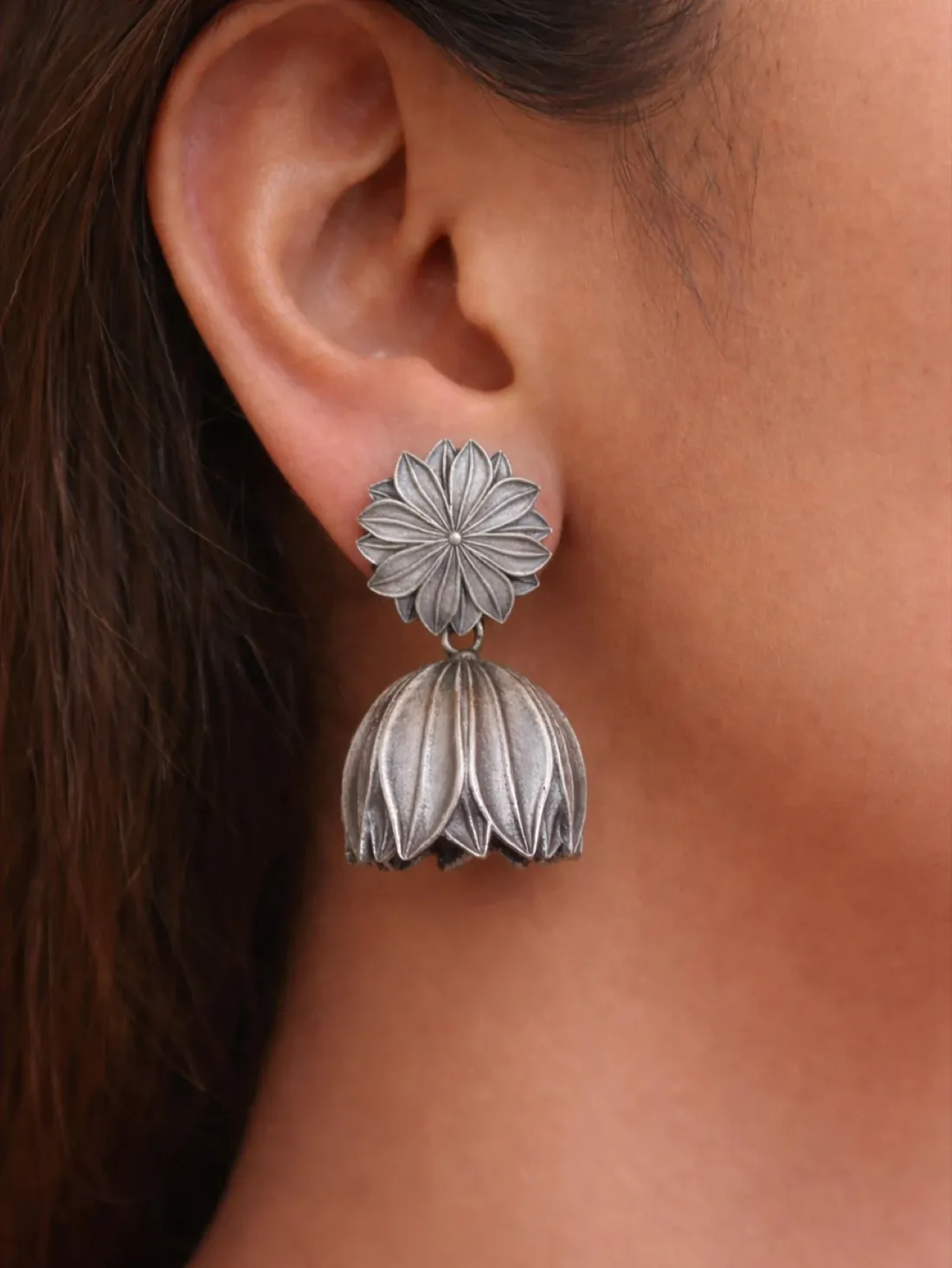
Oxidised “silver” jewellery is usually brass or german silver that’s been chemically darkened to give it an antique, matte look, it rarely contains any actual silver. What you’re buying is the finish: that rich, blackened, old-world look loved in ethnic and boho styling. Silver-polished jewellery is the opposite finish, bright and shiny, over a similar base metal. Here’s how to tell them apart, wear them, and keep them looking good.
What “oxidised” actually means
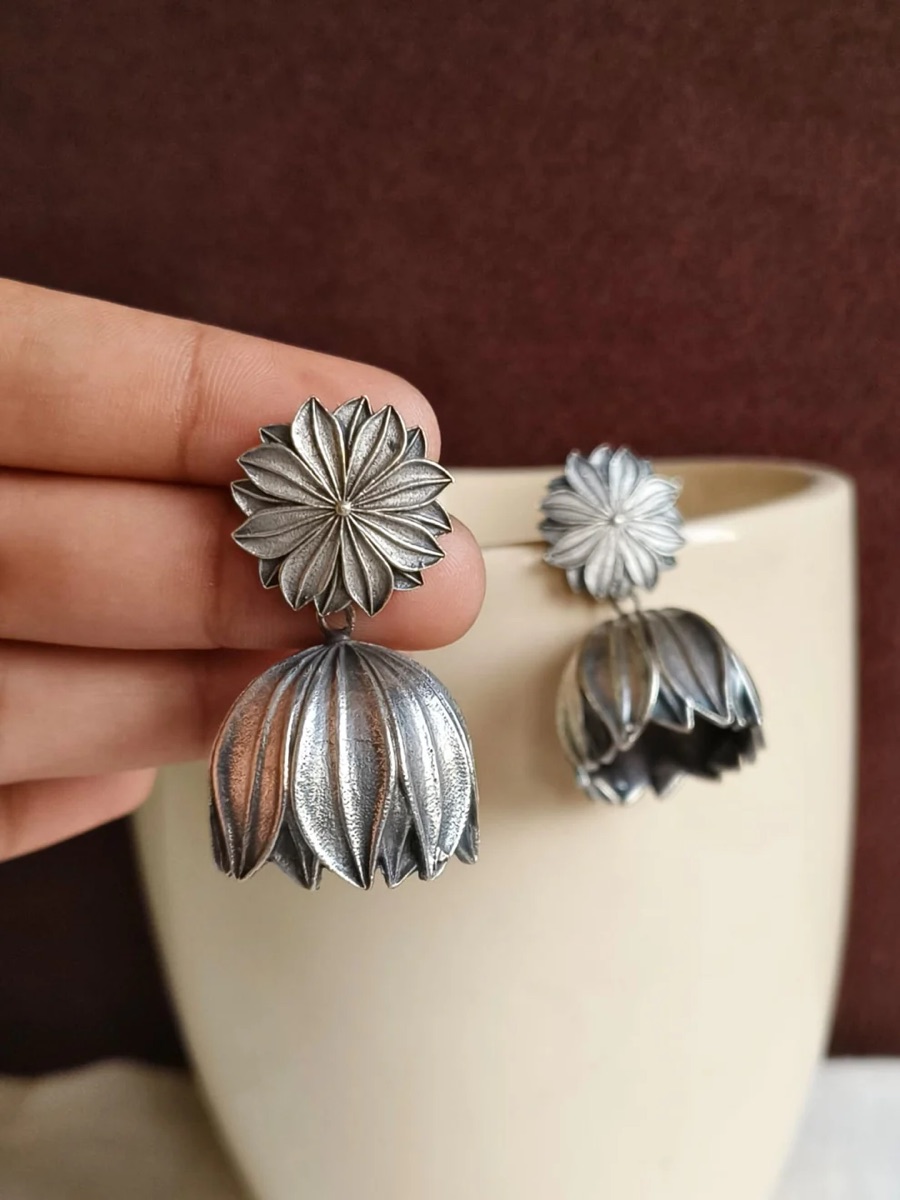
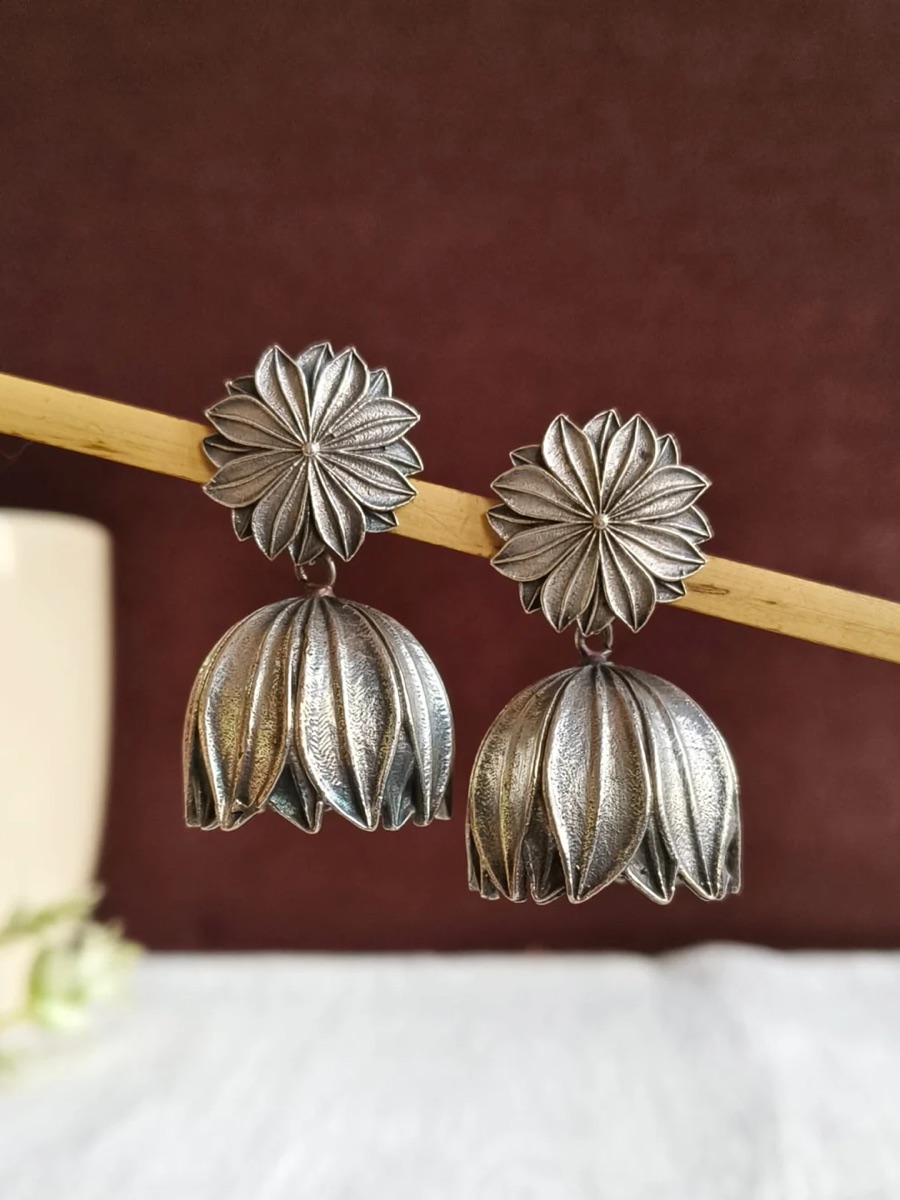
Oxidising is a finishing technique: the metal surface is deliberately darkened (traditionally with a controlled chemical reaction) to create a deep, antique, matte-grey-black look, often with the raised details left brighter for contrast. That contrast, dark recesses, highlighted edges, is what gives oxidised jewellery its handcrafted, temple-like character.
“Oxidised silver” describes a look, not a metal. The base is almost always brass or german silver; the silvery-black colour is the finish on top.
This is worth knowing before you buy, because a piece sold as “oxidised silver” at a fashion-jewellery price is not solid silver, and shouldn’t be priced like it.
Oxidised vs silver-polished: the key difference
Both are finishes over a base metal. The difference is the look, and it changes everything about how you style them:
| Oxidised | Silver-polished | |
|---|---|---|
| Finish | Dark, matte, antique | Bright, shiny, silvery |
| Vibe | Ethnic, boho, handcrafted, temple | Modern, clean, minimal |
| Base metal | Usually brass / german silver | Base metal with silver or rhodium plating |
| Pairs with | Cotton, handloom, black, earthy tones | Contemporary, western, pastel looks |
Neither is “better”, they’re two different moods. Many people own both: oxidised for ethnic days, silver-polished for a sleek modern look.
What is german silver?
You’ll see “german silver” (also called nickel silver) on a lot of oxidised jewellery. Despite the name, it contains no actual silver, it’s an alloy of copper, zinc and nickel. The nickel is worth noting: if your skin reacts to jewellery, read our guide on artificial jewellery and sensitive skin, and look for nickel-free or well-coated pieces. For the full breakdown of every material term, see artificial vs imitation vs real jewellery.
How to style oxidised jewellery
Oxidised pieces are the easiest way to make an outfit feel rooted and artful:
- With cotton kurtas and handloom, the antique finish and natural fabrics belong together.
- With black, oxidised silver against black is effortlessly striking.
- With earthy and jewel tones, mustard, rust, deep green, maroon.
- Boho and indo-western, layered oxidised necklaces, big statement jhumkas, chunky rings.
The rule of restraint still applies: let one oxidised statement piece lead, and keep the rest quiet. Our outfit-pairing guide has more on balancing a look.
How to care for oxidised and silver-polished pieces
Both are finishes over a base metal, so both need the same protection, with one twist for oxidised:
- Keep them dry. Sweat and moisture are what wear a finish down; take pieces off before workouts, swimming and bathing.
- Perfume last, jewellery after. Chemicals dull both finishes.
- Store airtight and separate, ideally with a silica gel sachet. (Full routine in our care guide.)
- For oxidised specifically: avoid over-polishing. Vigorous rubbing or “silver dip” cleaners can strip the dark antique finish and leave the piece looking patchy, a soft dry wipe is all it needs.
Where oxidised jewellery comes from
The blackened, antique look is not new. It draws on India’s long tradition of temple and tribal silver, where darkened recesses and bright highlights made carved detail stand out. Modern oxidised fashion jewellery borrows that contrast and applies it to affordable base metals, which is why a good oxidised piece feels handcrafted and rooted even when it is not solid silver. If you like tracing styles back to their regions, our guide to Indian cities famous for jewellery maps where these crafts come from.
Oxidised for different occasions
The finish is more versatile than people expect:
- Everyday: small oxidised studs or a single pendant with a cotton kurta or a plain tee.
- Festive: big temple-style jhumkas and layered necklaces for Navratri, mehendi and sangeet.
- Boho and indo-western: chunky rings, statement cuffs and mixed textures.
The one rule that holds across all of them: let a single oxidised statement lead and keep everything else quiet.
Reviving a dull oxidised piece
Because the dark finish sits on the surface, oxidised jewellery asks for gentle care. If a piece looks dull, a soft dry wipe usually lifts the surface residue. What you must not do is reach for silver dip or an abrasive polish: those strip the very darkness that gives the piece its character and leave it looking patchy. Keep pieces dry, store them airtight, and put them on after perfume, and the antique finish stays rich for years (the full routine is in our care guide).
Pairing oxidised with other metals
Oxidised silver does not have to stand alone. It pairs beautifully with gold-tone pieces for a mixed-metal festive look, and with pearls for a little softness against the dark finish. Keep one as the lead, usually the oxidised statement, and let the rest support it. For everyday wear, a single oxidised piece against plain gold studs is an easy, low-effort combination that still looks intentional.
The bottom line
Oxidised jewellery is about the antique, handcrafted look, usually on brass or german silver, not solid silver, and it’s one of the most versatile ways to style ethnic and boho outfits. Silver-polished is its bright, modern sibling. Know what metal you’re buying, mind nickel if your skin is sensitive, keep the finish dry, and either one will stay beautiful for years.
Good to know
Frequently asked questions
Is oxidised silver jewellery real silver?
Usually not. Most 'oxidised silver' fashion jewellery is brass or german silver (an alloy of copper, zinc and nickel) that's been chemically darkened to look antique. It's the dark, matte look that defines it, not the metal underneath.
What is the difference between oxidised and silver-polished jewellery?
Oxidised jewellery has a deliberately darkened, antique finish; silver-polished jewellery has a bright, shiny silver-coloured finish (usually silver or rhodium plating over a base metal). Same idea, a finish over a base metal, but opposite looks: matte-antique vs bright-shiny.
Does oxidised jewellery fade or rub off?
The oxidised finish can wear at high-friction points over time, especially with sweat and moisture. Keeping pieces dry, storing them airtight and avoiding perfume contact keeps the antique finish looking rich for much longer.
Is oxidised silver jewellery good for sensitive skin?
It depends on the base metal. German silver contains nickel, which can irritate nickel-sensitive skin, so look for nickel-free or well-coated oxidised pieces if your skin reacts easily, the same rules as any artificial jewellery.
What outfits go with oxidised jewellery?
Oxidised pieces shine with ethnic and indo-western looks, cotton kurtas, handloom sarees, black or earthy tones, and boho outfits. The antique finish pairs beautifully with fabrics that feel handmade or traditional.
Does oxidised silver jewellery turn skin black?
It can, if the base metal is uncoated and reacts with sweat. Look for oxidised pieces on a sealed or nickel-free base, keep them dry, and take them off before workouts, and marks are far less likely.