Buying Guides
Artificial vs Imitation vs Real Jewellery: A Buyer's Guide
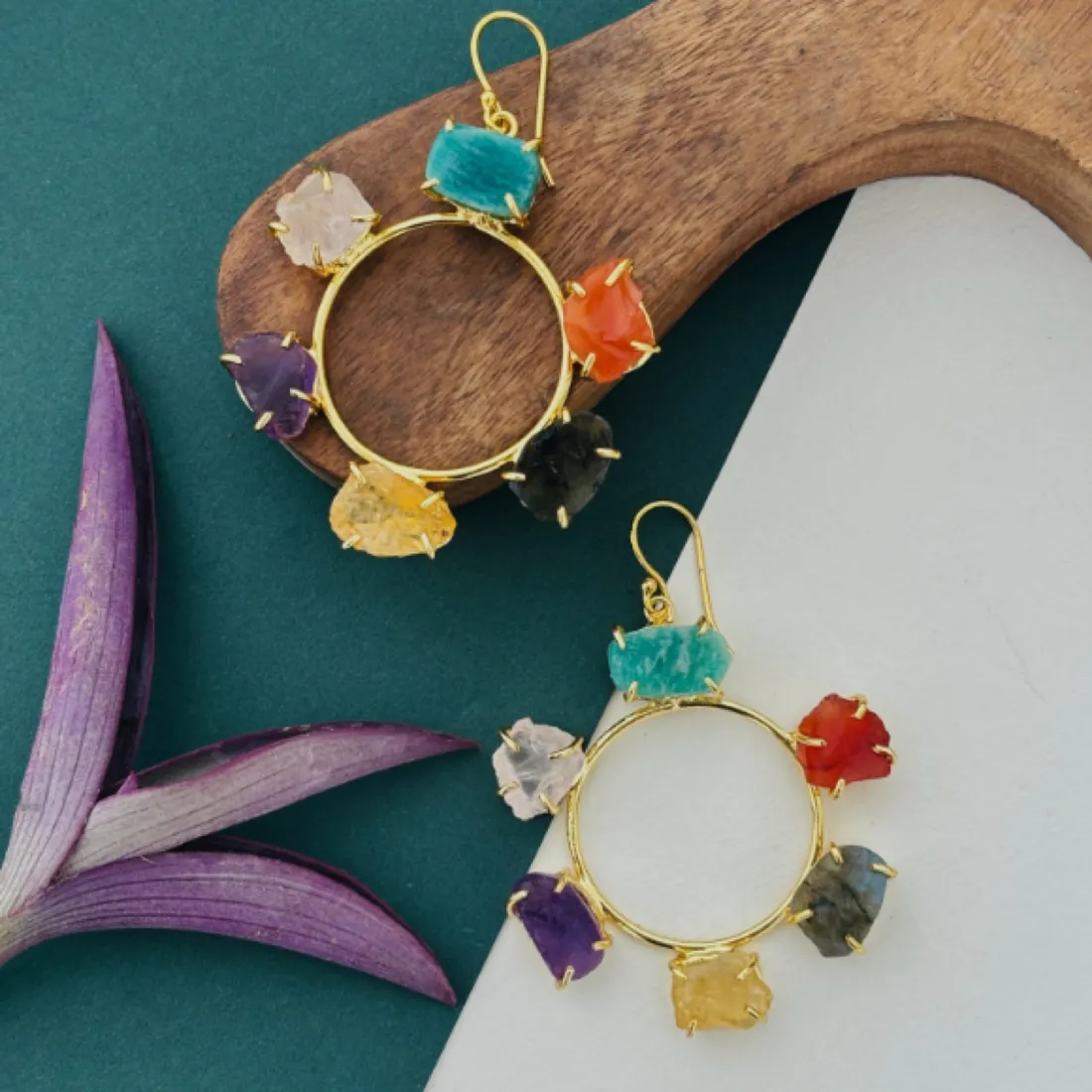
“Artificial jewellery” and “imitation jewellery” mean exactly the same thing, jewellery made from non-precious base metals, finished to look like fine jewellery, at a fraction of the cost. “Fashion jewellery” and “costume jewellery” are the same category too. The only real dividing line is artificial vs real (fine) jewellery: base metals versus solid precious metals like gold, silver and platinum.
That’s the whole confusion cleared up in a sentence. But the product pages are where people actually get lost, “brass”, “alloy”, “german silver”, “gold-plated”, “anti-tarnish”, so here’s what each term means and what you’re really paying for.
Artificial, imitation, fashion, costume, one thing, four names
These four words are marketing synonyms. All of them mean jewellery made from non-precious metals, designed to be affordable and on-trend. There is no quality difference implied by the word alone, a ₹99 stall piece and a beautifully finished anti-tarnish piece are both “artificial jewellery”. What separates them is the material and the finish, not the label.
It’s a huge and growing market for exactly that reason: India’s artificial jewellery market was valued at roughly USD 4.98 billion in 2025 and is projected to grow at about 10% a year, according to MarknTel Advisors. Affordability and fast-changing styles are the main drivers, people want to wear more, more often, without the price or fear-of-loss of fine jewellery.
Real (fine) jewellery: what makes it different
Fine jewellery is made from solid precious metals, gold (measured in karats), sterling silver (92.5% silver), or platinum, often set with real gemstones. Two things follow from that:
- It holds value. The metal itself is worth money, so fine jewellery can be resold or exchanged.
- It’s priced accordingly. You’re paying for the precious metal by weight, every gram.
Fine jewellery is an asset. Artificial jewellery is a wardrobe. Both are valid, they just do different jobs.
The materials you’ll see on artificial jewellery labels
Here’s what the common terms actually mean:
- Brass, a copper-and-zinc alloy, warm gold in tone, and the most common base for good artificial jewellery. It takes plating and coating well, which makes it ideal for anti-tarnish finishes.
- Alloy / “metal”, a vague catch-all. It usually means a mixed base metal; because it’s unspecified, treat “alloy base” as a flag to check what the finish and coating are.
- German silver (nickel silver), copper, zinc and nickel, with a silvery look. Contains no actual silver. The nickel content matters for sensitive skin.
- Gold-plated, a real, very thin layer of gold electroplated over a base metal (usually brass). Real gold look; the plating wears with time unless it’s sealed.
- Stainless steel (316L / surgical steel), a hard, corrosion-resistant base, often PVD-coated. The most water-resistant option, popular for waterproof daily-wear pieces.
- Anti-tarnish, not a base metal but a finish: a protective coating that resists oxidation. (Full explainer: what is anti-tarnish jewellery?)
Quick comparison
| Real (fine) jewellery | Artificial / imitation jewellery | |
|---|---|---|
| Material | Solid gold, silver, platinum | Brass, alloy, steel, german silver |
| Price | High, priced by metal weight | Affordable |
| Resale value | Yes, holds value | Minimal |
| Everyday wear | Often “saved” for occasions | Made to wear often |
| Lifespan | Effectively permanent | 1 to 3 years+ for quality anti-tarnish pieces |
| Skin-friendly? | Usually (pure metals) | Depends on base metal and coating |
When to choose artificial over fine jewellery
Neither is “better”, they answer different questions. Reach for artificial when:
- You want to wear something often, on the daily commute or a normal workday, without worrying about loss or damage.
- You want to follow a trend you may not love in two years, paying fine-jewellery prices for a passing style rarely makes sense.
- You’re travelling and don’t want to carry valuables.
- You want a fuller wardrobe, several looks for the price of one gold piece.
Reach for fine jewellery when the piece is meant to last a lifetime or hold value, a wedding set, an heirloom, a milestone gift. Many people do both: fine jewellery for the vault, artificial for everything they actually wear day to day.
How to spot quality from a product photo
Since “artificial” tells you nothing, learn to read the listing:
- Zoom into the edges and joins. Clean, smooth edges and neat solder joins signal good finishing; rough or pitted metal signals a rushed piece.
- Check the earring posts and clasps. These are the parts that touch skin and take stress, look for stated nickel-free posts and secure clasps.
- Read the material line, not the marketing. “Gold-plated brass, anti-tarnish coated” tells you something; “premium metal” tells you nothing.
- Look for a scale reference. Good listings show the piece on an ear or hand so you know the real size.
What actually decides quality in artificial jewellery
Since the label “artificial” tells you little, judge a piece on three things:
- The base metal, brass and stainless steel are dependable; unspecified “alloy” deserves a second look.
- The coating, this is what separates a piece that lasts years from one that fades in weeks. Look for anti-tarnish, e-coated or PVD finishes.
- The finishing, clean edges, secure stones, comfortable posts. Good finishing is visible in the photos and obvious in the hand.
The bottom line
Don’t get hung up on “artificial” versus “imitation”, they’re the same word wearing different hats. The decision that matters is artificial vs real, and after that, the material and the finish. Buy artificial when you want to wear beautiful jewellery often and affordably; choose pieces with a named base metal and a proper anti-tarnish coating, and they’ll reward you for years. When you’re ready to keep them that way, here’s how to care for them.
Good to know
Frequently asked questions
Is artificial jewellery the same as imitation jewellery?
Yes. 'Artificial jewellery', 'imitation jewellery', 'fashion jewellery' and 'costume jewellery' all describe the same thing, jewellery made from non-precious metals like brass or alloy, designed to look like fine jewellery at a much lower price.
What is the difference between artificial and real jewellery?
Real (fine) jewellery is made from precious metals, solid gold, silver or platinum, and often real gemstones, and it holds resale value. Artificial jewellery is made from base metals with a decorative finish; it costs far less and is meant to be worn and enjoyed, not held as an asset.
What is german silver jewellery?
German silver (also called nickel silver) contains no actual silver, it's an alloy of copper, zinc and nickel with a silvery colour. Because it contains nickel, people with a nickel allergy should be cautious with it.
Is gold-plated jewellery real gold?
It has a real but very thin layer of gold bonded over a base metal like brass. It gives a genuine gold look for a small fraction of the price, but the plating wears over time, which is why an anti-tarnish coating on top matters for how long it lasts.
Which lasts longer, artificial or real jewellery?
Solid precious metal lasts effectively forever, which is part of what you pay for. Good artificial jewellery isn't disposable, though, a quality anti-tarnish piece lasts one to three years of regular wear, and much longer with careful storage.